
Why WHS Is in High Demand
Tighter regulation, a national skills shortage and tender requirements have made WHS one of the most employable qualifications in Australia.
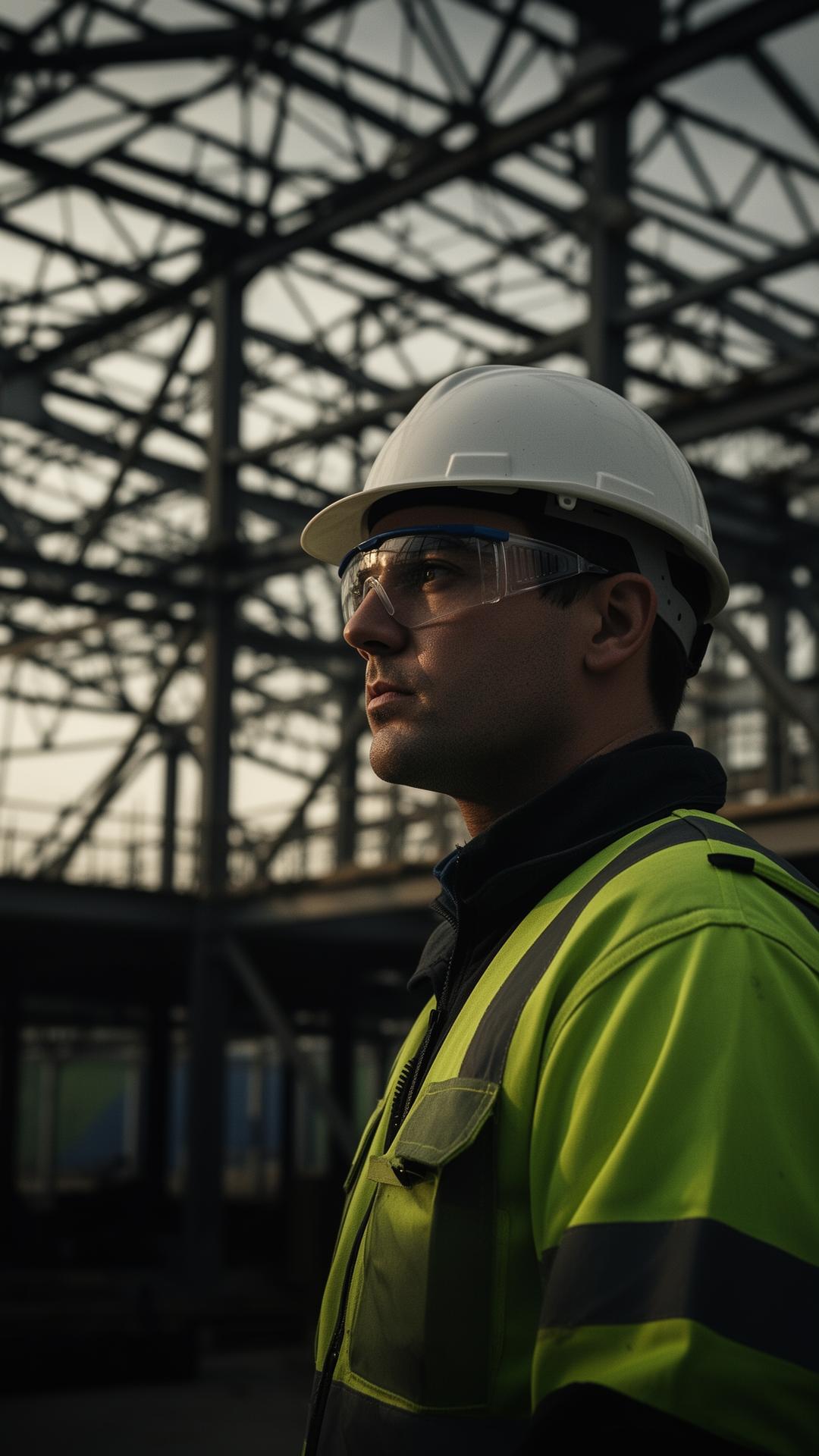
Work Health & Safety has become one of the most reliable on-ramps into the construction industry, and one of the highest-leverage moves for tradies looking to step off the tools without leaving the sector.
1. Tightening regulation
Australia's Model WHS Laws and the updated 2025 National Construction Code have made compliance, safety systems and reporting non-negotiable. Companies are being audited more rigorously, especially Tier 2 and Tier 3 builders, which has sharply increased demand for qualified WHS professionals.
2. A national skills shortage
There is a national shortage of qualified WHS Advisors, Coordinators and Managers with construction site experience. Many existing WHS officers are ageing out of the workforce, and younger entrants often lack site experience, leaving a significant gap.
3. Insurance & tender requirements
Large commercial builders, subcontractors and government projects cannot tender without WHS systems and a certified safety officer in place. That single requirement has made WHS certification one of the fastest pathways to immediate employability in Australia.
Most employable WHS roles (2025)
- WHS Officer / Safety Advisor, $90k–$120k. Diploma of WHS (BSB51319). Very high employability.
- WHS Coordinator (site-based), $100k–$130k. Diploma + site experience.
- WHS Manager / HSEQ Manager, $130k–$180k+. Advanced Diploma or degree plus 5+ years.
- Safety Auditor / Consultant, $100k–$160k. Diploma plus Lead Auditor cert.
- Environmental & Safety Coordinator (HSE), $95k–$140k. Diploma of WHS + environmental unit.
The fast-track training pathway
Start with the Certificate IV in Work Health & Safety (BSB41419), an entry-level qualification for site supervisors, tradies, or anyone wanting to move into safety. Step up to the Diploma of Work Health & Safety (BSB51319), required for most WHS Officer, Advisor and Coordinator roles, and often achievable through Recognition of Prior Learning if you have site or supervisory experience.
Why it's one of the most employable pathways now
- Cross-industry flexibility, WHS is in demand across construction, mining, manufacturing, logistics, defence and infrastructure.
- Hybrid work options, many WHS roles allow partial remote work or site rotation.
- High job security, every business must meet WHS obligations by law.
- Strong income potential, WHS managers can earn well above $150k plus super.
- RPL accessible, experienced supervisors, foremen and tradespeople can often gain the Diploma quickly without restarting.
“If you're coming from a construction or trade background, the Diploma of Work Health & Safety is currently one of the most employable qualifications you can obtain in Australia.”
Ready to upskill?
Map a pathway that fits where you want to go next.